
Wings Black Plates: Clearer Dessert Presentation at 26 cm
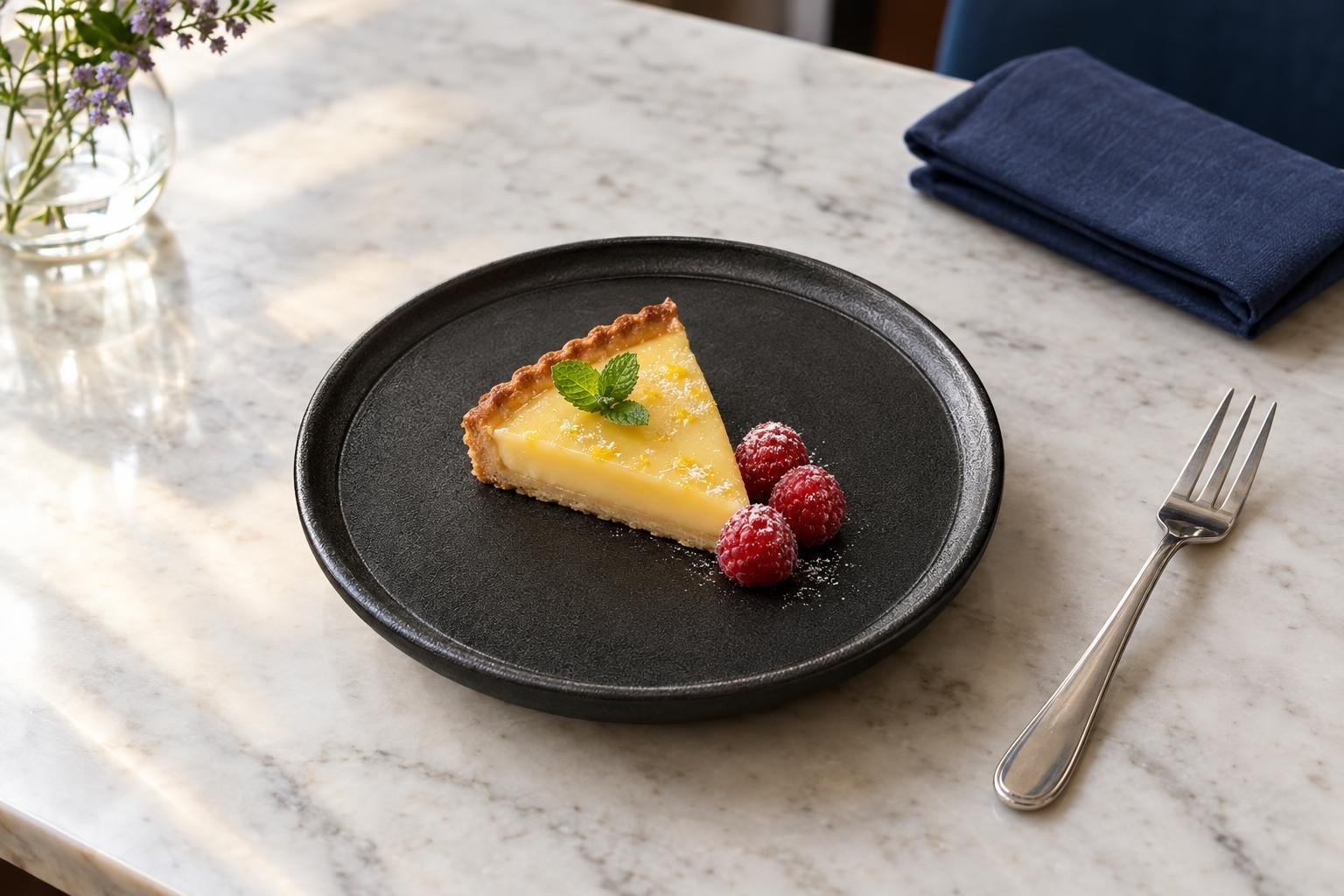
Set a repeatable dessert layout on the Ø26 cm Wings Black plate, with one focal point, restrained garnish and sauce served separately when needed.
By Atmar Horeca team
Your dessert plate needs a repeatable layout, not another garnish. For your hotel restaurant, start with a standard that tells the pastry team where the main element belongs, how supporting elements relate to it and when sauce should stay off the plate.
The Novatex Wings Black plate gives you a Ø26 cm overall diameter, porcelain construction and a matt black glaze with a fine speckled texture. Use those details as the starting point for a presentation standard you can photograph, explain and check at the pass.
Set a clear presentation standard for your 26 cm dessert plate
Build your standard on the actual plate rather than transferring a layout from another size. The stated Ø26 cm is the overall diameter; do not treat it as a measurement of the usable plating area.
Place your usual dessert portion first, then assess the visible space around it. Keep the plate outline readable and avoid adding components simply to occupy empty areas. Your aim is a deliberate arrangement that your team can reproduce, not complete coverage.
Agree the main element’s position, the garnish grouping and the sauce decision before approving the dish. Keep those decisions specific to each dessert while retaining the same principle across your menu: one clear focal point with supporting elements close enough to belong together.
Use the matt black backdrop to frame the dessert
The Wings Black surface combines a matt black glaze with a fine speckled texture. Leave part of that surface visible so it frames the dessert rather than disappearing beneath the food.
Review your trial plate under your restaurant’s dessert-service lighting. Look at the complete arrangement from the guest’s seated position as well as from above. Check whether the dessert’s outline remains easy to distinguish and whether the garnish draws attention away from it.
Keep decorative marks purposeful. If a dusting, smear or scattered garnish makes the main element harder to read, remove it from the standard. You do not need to repeat the plate’s surface texture with more visual detail on the food.
Arrange one focal element without crowding the plate
Choose the main dessert component as your focal element and place it before adding anything else. A slightly off-centre position is one option to test; approve it only after checking the whole arrangement on the plate.
Group the garnish near the dessert instead of distributing it around the circumference. Specify its placement and quantity in your plating notes so that restraint is part of the instruction, not a matter of individual judgement during service.
Check the arrangement with the cutlery position in mind. Leave a clear approach to the dessert rather than enclosing it with supporting components. If the layout feels crowded, review the arrangement before changing the portion.
Tip: Before approving a garnish, remove it from the trial plate and compare both versions. Keep it only if it supports the dessert.
Keep sauce separate when it would obscure the layout
Decide whether sauce belongs on the plate during the trial, not at the last moment. If it would cover the visible backdrop or blur the separation between components, serve it alongside instead.
For an optional companion, consider the Ø5.5 cm Step Brown Pepper porcelain dip bowl, placed beside the plate. Keep it outside the dessert arrangement rather than using it to fill the plate’s open space.
Include the separate-sauce position in your service notes. Your kitchen and restaurant team should follow the same decision, with no unplanned pour over the finished presentation before it reaches the guest.
Record a reference plate for consistent service
Photograph the approved plate and keep the reference available where your team finishes desserts. Include the full plate so that the relationship between the food and the surrounding surface remains visible.
Support the photograph with short written instructions covering:
- The main element’s position and orientation.
- The garnish quantity and grouping.
- The areas of plate that should remain clear.
- Whether sauce is plated or served separately.
Ask another team member to reproduce the layout from those instructions. Compare the result with the reference and clarify any ambiguous wording. Revisit the standard whenever you change the dessert’s components or portion.
Check the Wings Black plate details before ordering
Use the item code and diameter to identify this version when preparing your tableware order. The range also includes other diameters, so keep your dessert reference tied to the Ø26 cm plate.
| Specification | Provided detail |
|---|---|
| Brand | Novatex |
| Range | Wings Black |
| Type | Plate |
| Material | Porcelain |
| Overall diameter | Ø26 cm |
| Colour | Matt black |
| Surface | Matt black glaze and fine speckled texture |
| Pack quantity | 6 pcs |
| Other available diameters | Ø29 cm, Ø23 cm and Ø20 cm |
| Item code | 15-002 |
The plate’s stated uses include mains, starters, salads and desserts in restaurants, hotels and cafés. For your dessert service, retain the approved layout as the reference rather than treating the diameter alone as a presentation instruction.
View the Wings Black Ø26 cm porcelain plate product page, where you can order it for your operation.
Products in this article
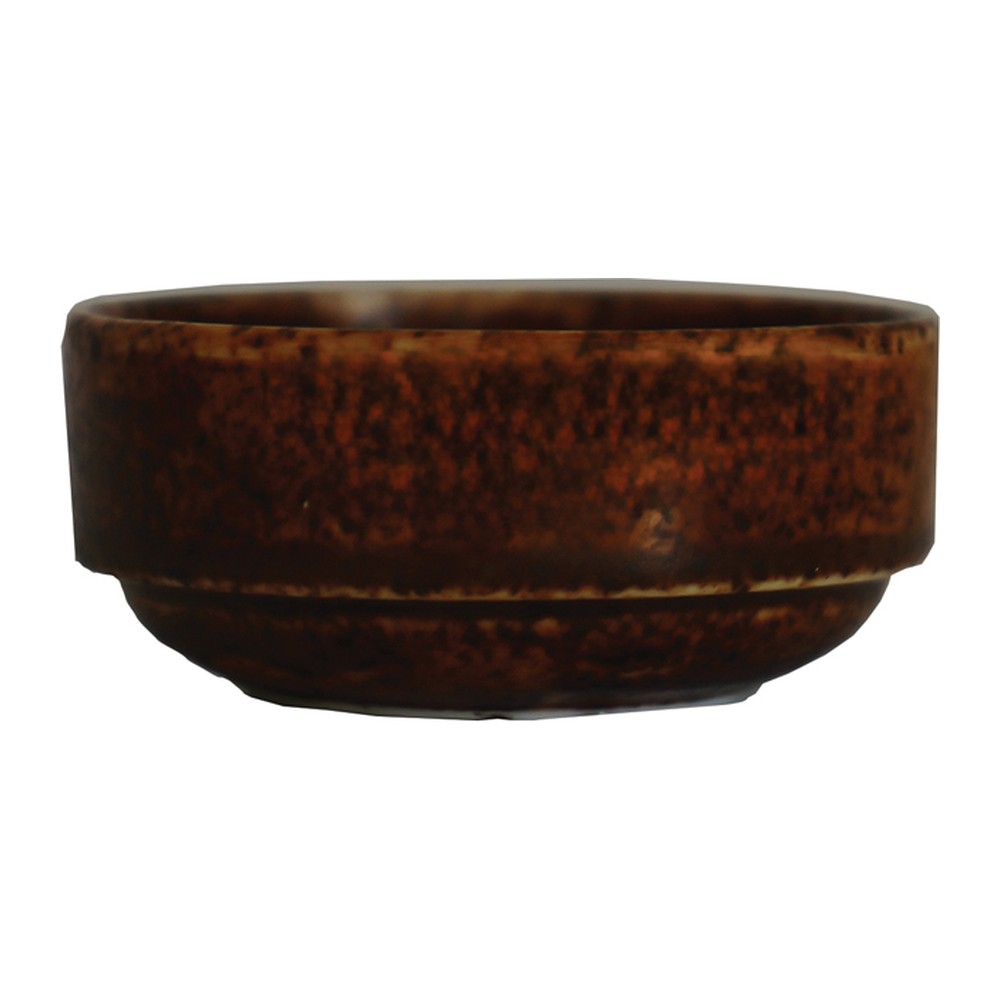 Porcelain Dip Bowl, Step Brown Pepper, Ø5.5 cm€3.11 excl. VAT
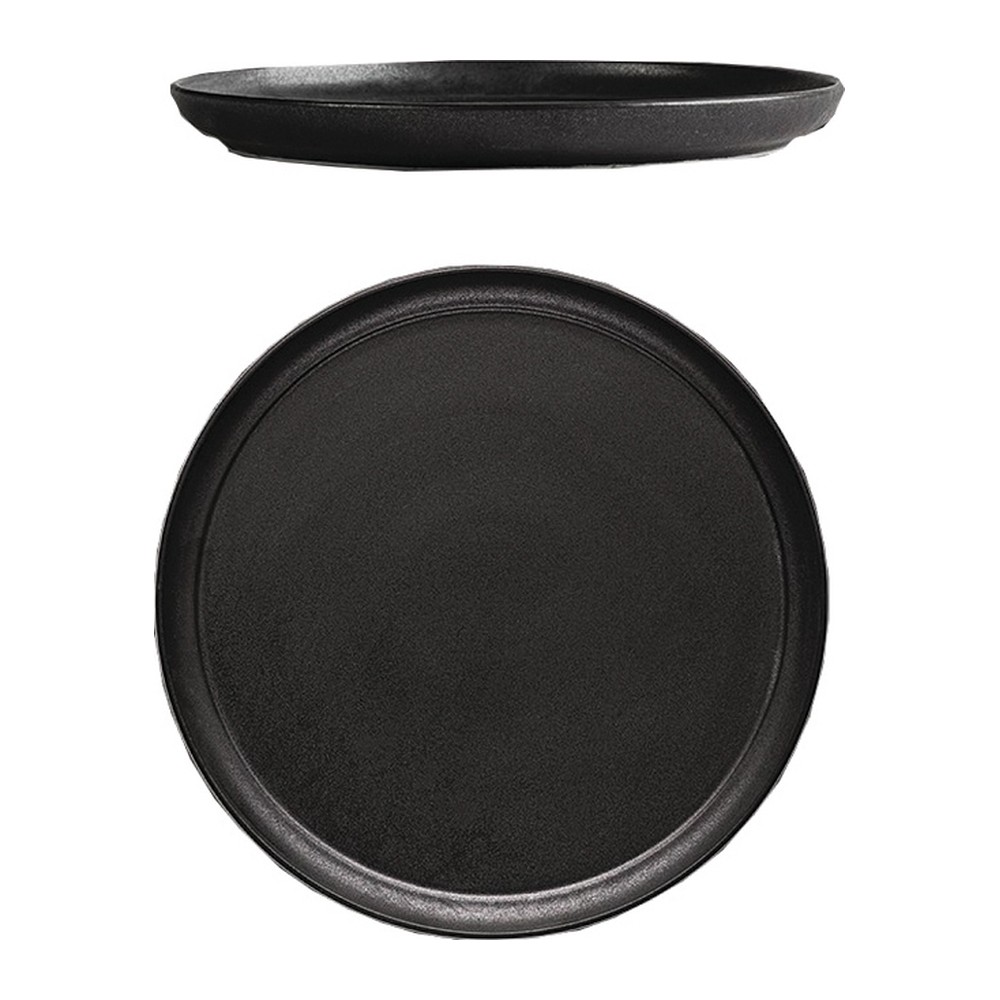 Porcelain Plate, Wings Black, Ø26 cm€8.66 excl. VAT
Prices exclude VAT. Open any product above to see when it ships and to order it.
Questions
- What are the dimensions and material of the Wings Black plate?
- The Novatex Wings Black plate is porcelain and has an overall diameter of Ø26 cm. Its surface has a matt black glaze and a fine speckled texture.
- How many plates are in a pack?
- The stated pack quantity is 6 pieces. The item code for the Ø26 cm Wings Black plate is 15-002.
- Is the Wings Black plate intended only for desserts?
- No. Its stated uses include mains, starters, salads and desserts in restaurants, hotels and cafés.